Supermarkets and retail stores rely heavily on POP (Point of Purchase) displays to attract customer attention and increase product sales. From countertop units to floor-standing and endcap displays, effective POP solutions help brands improve visibility, drive impulse purchases, and enhance in-store marketing performance. This article explores the most effective POP display ideas used in modern retail environments and how they help brands stand out in competitive store settings.
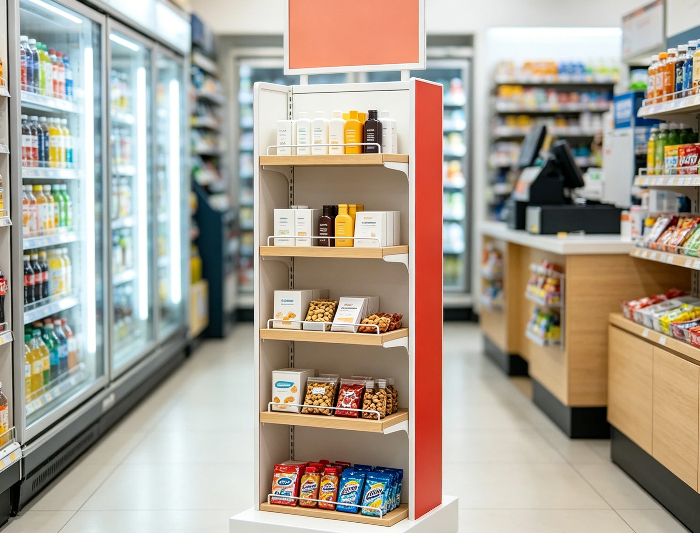
Point of Purchase (POP) displays are the silent salespeople of the retail world. Because shoppers often make split-second decisions at the shelf, an effective display must do more than just hold a product—it must capture attention, communicate value, and trigger an immediate impulse to buy.
To convert casual shoppers into customers, an effective POP display generally succeeds by mastering these three core elements:
The most beautifully designed display is useless if it is ignored. Effective POP displays are placed in high-traffic "hot zones"—such as end-caps, checkout lanes, or cross-merchandising locations near complementary products. By disrupting the typical shopping rhythm, these displays force the customer to slow down and notice the brand. High-contrast colors, bold typography, and elevated positioning (at eye level) are essential to ensuring the display cuts through the visual clutter of a crowded retail environment.
A shopper’s attention span in an aisle is measured in seconds. An effective display communicates "Why buy this now?" instantly. This is achieved through:
Clear Benefit Signaling: Using concise copy that highlights a specific problem-solver or a unique feature (e.g., "New," "Limited Edition," or "Save 20%").
Strong Visual Hierarchy: Ensuring the brand logo, product image, and call-to-action (CTA) are easily readable from three to five feet away.
간소화된 메시징: Avoiding technical jargon in favor of emotional or practical triggers that resonate with the target demographic.
Physical interaction is the biggest advantage brick-and-mortar stores have over e-commerce. A successful POP display invites the customer to engage with the product through:
"Try-Me" Integration: Allowing the customer to touch, sample, or interact with the physical product.
Psychological Urgency: Using limited-time offers or clear inventory scarcity cues that incentivize the customer to grab the item before leaving the store.
브랜드 일관성: Ensuring the display design reflects the overall brand identity, which builds trust and makes the product feel like a premium, reliable choice compared to competitors.
Countertop displays are the masters of the "last-minute" sale. Positioned directly at the point of decision—the checkout counter—they capitalize on the captive audience waiting to pay. Because these displays occupy valuable, limited real estate, their design must be compact, high-impact, and engineered for maximum conversion.
An effective countertop display triggers a psychological response rather than a planned purchase. To convert shoppers, these displays rely on three specific drivers:
Miniaturized Footprint: Space at the register is at a premium. A successful display uses vertical space to showcase products without cluttering the transaction area, ensuring staff can process payments while the product remains front-and-center.
High-Margin, Low-Ticket Pricing: Impulse items are usually low-risk purchases. When the product is both affordable and solves an immediate need or desire (like a treat, a utility accessory, or a travel-sized essential), the "mental barrier" to buying is significantly lowered.
Visual Dominance: Since the customer is already stationary, the display doesn't need to shout from across the store. Instead, it should feature clean, eye-level graphics that highlight the product’s core benefit in a single glance.
To turn a static counter space into a revenue engine, keep these design considerations in mind:
Self-Service Flow: The display must be organized so that the customer can easily grab the item without disrupting the store clerk's workflow. If the customer has to reach too far or fumble with the product, the impulse is lost.
"Grab-and-Go" Accessibility: Use gravity-feed trays or open-front designs to ensure that as one item is removed, the next automatically slides into place, maintaining a fully stocked, inviting appearance at all times.
Contextual Pairing: Place your display near items that justify the purchase. For example, if you are selling small electronics or accessories, place them near gift cards or mobile payment hubs where customers are already thinking about tech-related needs.
프로 팁 : Keep the messaging focused on a single, clear hook. At the register, shoppers are often distracted; your display should answer the question, "Do I need this right now?" with a definitive "Yes" through simple, benefit-driven imagery.
Floor-standing and endcap POP 디스플레이 are two of the most effective solutions for maximizing product visibility in supermarkets and retail stores. They are typically placed in high-traffic areas where customers naturally pass by, making them ideal for driving attention and increasing sales opportunities.
Floor-standing POP displays offer strong flexibility in size and structure, allowing brands to showcase multiple products in a vertical format. They are commonly used for promotions, new product launches, and seasonal campaigns because they can stand independently and attract attention from different directions.
Endcap displays, positioned at the end of store aisles, are considered premium retail space due to their high exposure. They are especially effective for highlighting featured products or promotional items, as they capture customer attention when shoppers turn into or move between aisles.
Both solutions play a key role in retail merchandising strategies. While floor-standing displays provide versatility and portability, endcap displays offer superior visibility and stronger conversion potential in high-traffic zones.
Retail is driven by the calendar. To capture the unique energy of holidays, sporting events, or limited-time offers, your displays must evolve to reflect the "now." A stagnant display is an invisible one, while a timely design signals that your brand is in sync with the shopper’s current lifestyle.
Themed Immersion: Go beyond signage. Use colors, textures, and structures that evoke the season—such as bright, airy designs for summer or warm, festive motifs for the holidays. An immersive display makes a standard product feel like a timely necessity.
Cross-Merchandising Bundles: Group products that naturally go together for an event (e.g., "Game Day" snack and drink kits). This increases transaction value by solving multiple needs in one convenient "grab-and-go" location.
대화식 참여: Use QR codes to unlock flash sales or simple physical cues to create excitement. Even a well-placed "Limited Time Only" header can trigger the psychological urgency needed to drive an impulse purchase.
Speed-to-Floor: Retailers prioritize displays that are easy to deploy. Use flat-pack, pre-assembled modular kits that store staff can set up in minutes. If it’s hard to build, it won't hit the floor.
Bold Visual Hierarchy: Your header is your loudest salesperson. Use high-contrast colors to highlight your offer (e.g., "50% OFF") so it captures attention from across the aisle.
The "Scarcity" Aesthetic: Design your unit to appear "overflowing" with inventory. Abundant displays signal popularity and value, subconsciously encouraging shoppers to claim their item before the promotion ends.
Selecting the right POP display requires matching the display type with your store layout, product characteristics, and marketing goals. A well-planned choice can improve product visibility and increase purchase conversion in retail environments.
| 요인 | 주요 고려 사항 | 권장 디스플레이 유형 |
|---|---|---|
| 저장소 레이아웃 | High-traffic vs low-traffic areas | Floor-standing / Endcap for high traffic, Countertop for checkout areas |
| 제품 유형 | Size, weight, and packaging | Lightweight products: countertop or hanging displays; Heavy products: floor-standing displays |
| 마케팅 목적 | Promotion vs branding | Standard displays for short-term promotions; Custom displays for brand impact |
| 예산 | Cost control vs long-term value | Standard displays for lower budget; Custom displays for long-term ROI |
| 설치 공간 | Available floor or shelf space | Compact designs for limited space, larger units for open areas |
권리 POP 디스플레이 depends on balancing product requirements, store environment, and marketing goals. While standard displays work well for cost-sensitive promotions, custom POP displays provide stronger branding impact and greater flexibility for long-term retail strategies.
Effective POP displays are far more than mere product holders; they are essential marketing tools that bridge the gap between consumer interest and the final point of sale. By mastering the balance of strategic placement, immediate value communication, and engaging design, brands can transform standard retail shelves into high-conversion zones.
Whether utilizing the impulse-driving power of a countertop unit or the commanding visibility of a floor-standing endcap, the most successful displays are those that seamlessly integrate into the shopper's journey while maintaining a clear, compelling brand message.
To elevate your retail presence, look to 와우팝디스플레이. They specialize in creating innovative, high-impact POP solutions that are engineered for both structural durability and retail-ready efficiency. With a focus on "speed-to-floor" designs and customized aesthetics, WOWPOPDisplay helps brands maximize their footprint in competitive store environments, ensuring your products not only grab attention but drive consistent, measurable sales growth.


중국 선전시 광밍구 공밍가 허디로 3호 6층, 518106


